
Contact
 403.938.4431


Home  Academics International Baccalaureate Programmes Primary Years Programme (PYP)
The Primary Years Programme spans kindergarten through Grade 6 — and it begins with a simple but powerful conviction: children are natural inquirers, and great teaching honours instinct rather than replacing it.
Rooted in a student-centred philosophy, the PYP nurtures foundational knowledge, conceptual understanding, and essential skills through an inquiry-based, transdisciplinary approach. Students don’t just learn about the world — they actively explore and interact with it, building the attributes of the IB Learner Profile from their very first days at STS.
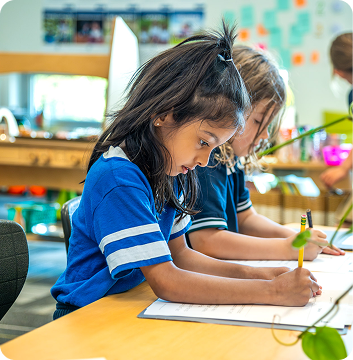
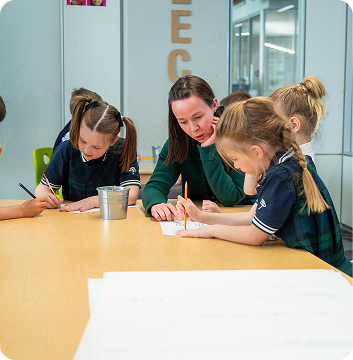
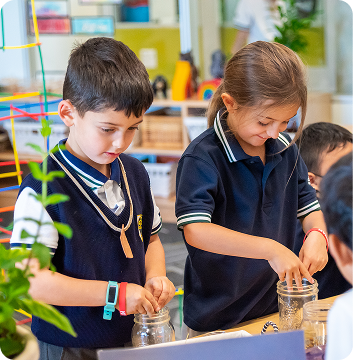
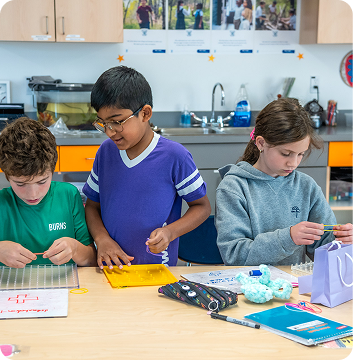
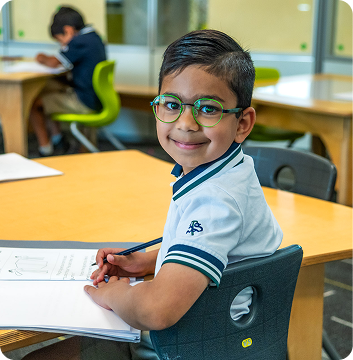
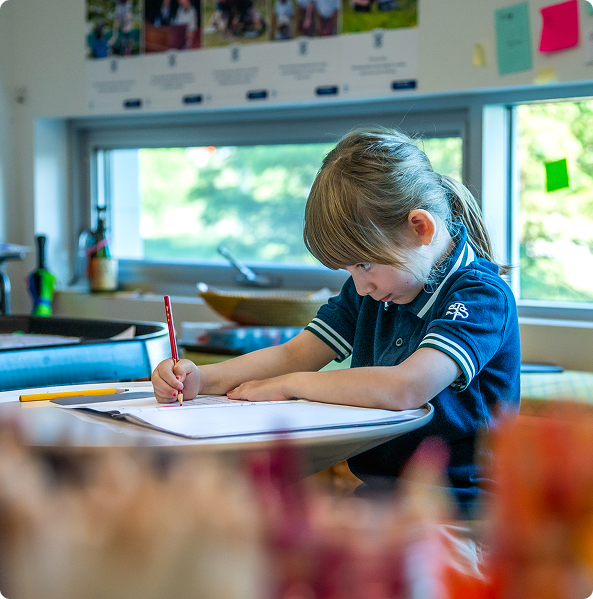
PYP follows an inquiry-based, transdisciplinary curriculum where students explore how big ideas and experiences connect across subjects. Where science connects to society, history to identity and art to everything!
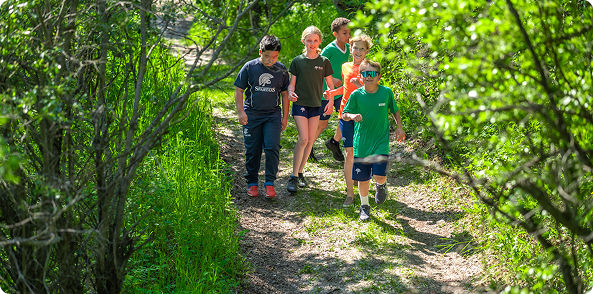
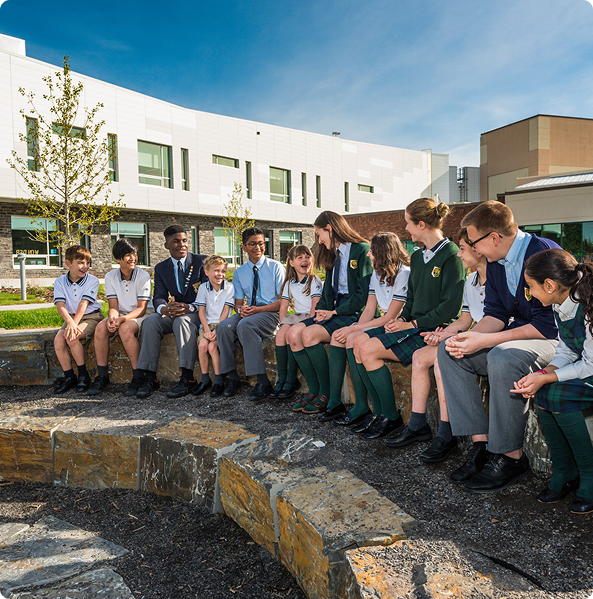
From inquiry to theory, PYP views students as integral partners in their own educational process, creating a context that values children for who they are and who they are becoming.
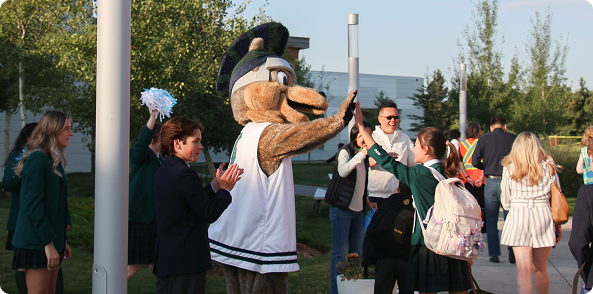
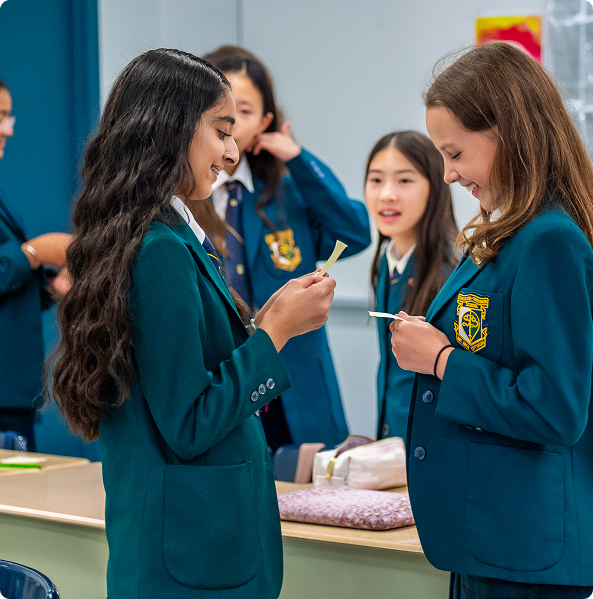
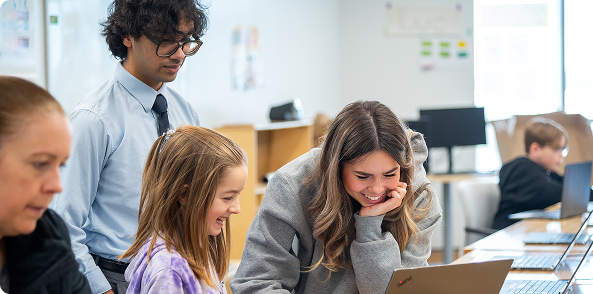
Understanding how students learn is fundamental to the IB, and PYP learners actively collaborate with teachers to co-create solutions to their current learning needs.
The framework below outlines six transdisciplinary units of inquiry that students explore from Kindergarten through Grade 6, creating a strong sense of continuity in their learning journey.
By moving beyond traditional subject boundaries and embracing a transdisciplinary approach, students are empowered to think critically and creatively. This fosters deeper exploration, richer ideation, and more meaningful understanding.
Our IB-accredited teachers and dedicated support staff apply these units of inquiry in a cohesive way, integrating them across subject areas within the Alberta Programs of Study, and extending learning even further beyond the classroom.
Knowing yourself creates belonging.
Groups are successful when everyone works together.
People communicate in creative ways.
Understanding nature helps us protect it.
The choices we make affect the people in a group.
The changing of the seasons affects our lives and the world around us.
Learning about cultures builds appreciation of diverse communities.
Humans use processes to organize information.
Symbols are used to express thoughts and ideas.
Global citizens consider diverse perspectives.
The choice of materials influences the effectiveness of a product.
The heritage of a place develops from people’s stories, history and contributions.
Natural resources are essential for the development and sustainability of communities.
People use scientific principles to create and express themselves.
Plants and animals are affected by human behaviour.
Communities and places change as people move, adapt, and create new ways of living.
People learn about the world by studying how things change and inspire new ideas.
Communities and places change as people move, adapt, and create new ways of living.
Decision-making and government structures impact how communities are organized and supported.
Storytelling allows us to share our unique selves with the world.
Understanding the Earth’s surface helps us to interact with it responsibly.
Responsible citizens actively participate in communities.
Forces influence the movement and behaviour of objects, substances and materials.
The shaping of countries is viewed through multiple perspectives.
Navigation and timekeeping is supported by observing patterns in space.
Creativity and imagination are used in designing effective solutions.
People and cultures connect with and interact with the land in many ways.
Understanding biological processes guides our choices to support health and well-being.
Investigating matter and energy deepens our understanding of the physical world.
Knowledge of the past helps us understand the transformations of civilizations over time.
The study of patterns and cycles in climate and astronomy supports scientists in understanding animal and human activity.
Effective communication depends on understanding the purpose and audience.
The reciprocal relationship between the environment and people.
Natural resources are essential for the development and sustainability of communities.
The natural world is made of systems and forces that interact and affect how matter moves, changes, and supports life.
An individual's ability to participate in government is determined by their role in society.
Societies create systems of governance to organize people, protect rights, and respond to change.
Individuals express their values and beliefs through written language and visuals.
Scientific research helps us understand the impact of our actions on the planet and inspires responsible stewardship.
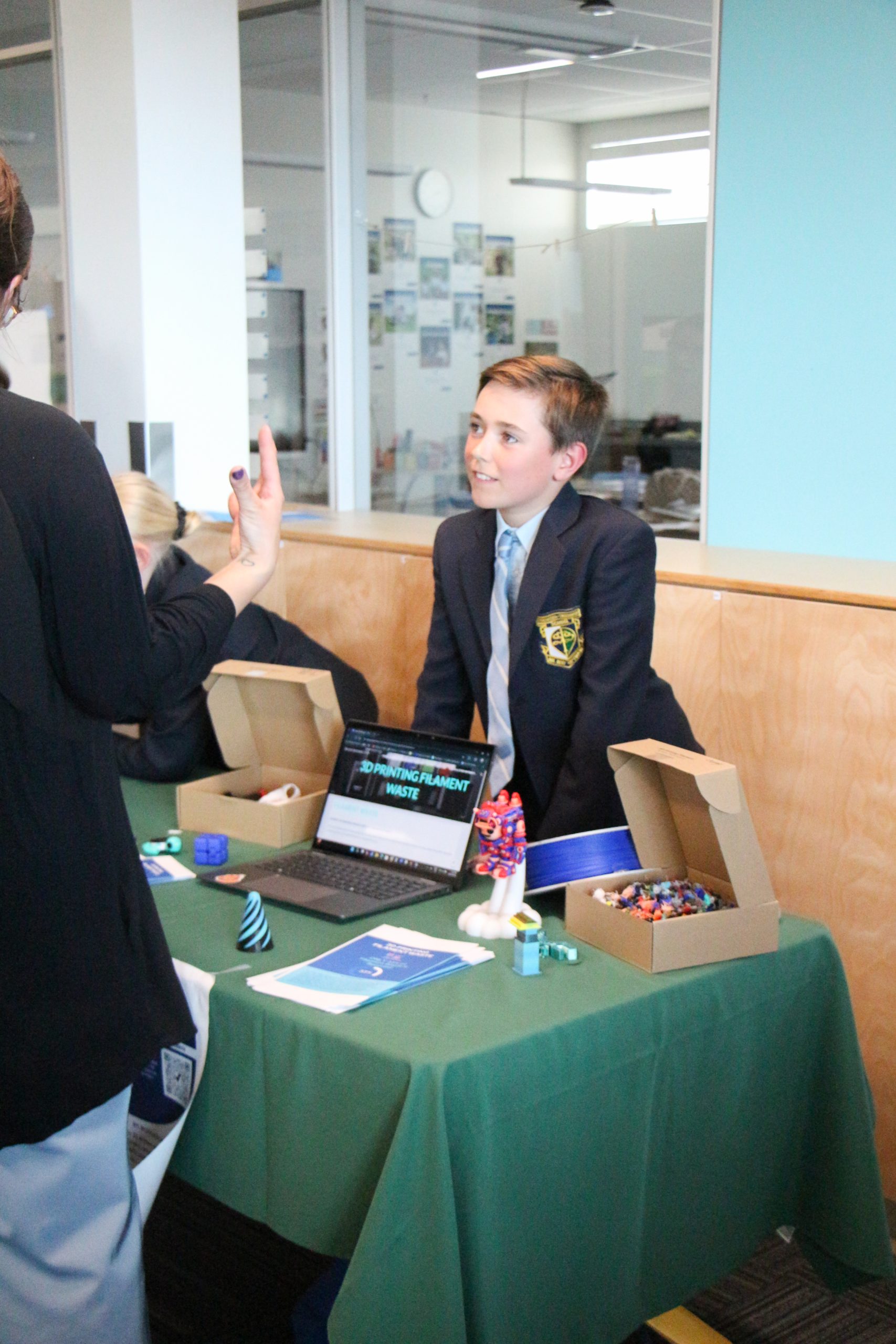
In the culminating year of their PYP journey, Grade 6 students engage in the impactful PYP Exhibition.
This milestone event provides a platform for students to showcase their understanding of real-life issues or topics they have delved into throughout the year or have explored out of personal interest.
The Exhibition allows students to reflect and act on their learning, leveraging ATL skills such as self-management, research, communication, critical and creative thinking, and collaboration. Students demonstrate recognition and appreciation for scholarship as a personal and dynamic pursuit.
The IB continuum prepares students for success in post-secondary studies. Leading universities and colleges actively recruit IB graduates, often offering credit or advanced standing for their work.
The IB continuum prepares students for success in post-secondary studies. Leading universities and colleges actively recruit IB graduates, often offering credit or advanced standing for their work.
The IB continuum prepares students for success in post-secondary studies. Leading universities and colleges actively recruit IB graduates, often offering credit or advanced standing for their work.
Your child’s education starts here – and we’re excited to share the learning journey with you. Explore our latest news and updates in our STS newsletter.
403.938.4431